
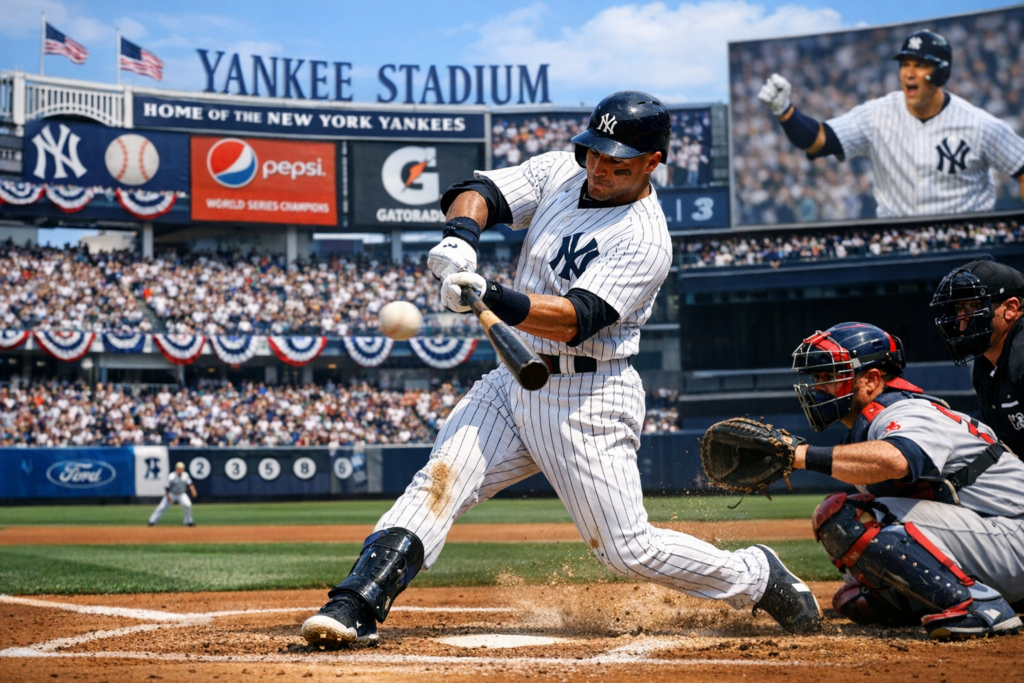
Sports have become an essential part of many people’s lives, offering excitement, teamwork, and fitness. As the popularity of sporting activities increases, so does the need for protection against unforeseen risks. Sports insurance provides an important safety net for athletes, teams, and organizations, ensuring peace of mind while allowing them to focus on performance. Understanding the different types of sports insurance is crucial for anyone involved in athletics. Insurance coverage in sports goes far beyond just basic medical needs. It covers a wide range of situations involving injuries, liabilities, and equipment losses. For those who participate in, manage, or invest in sports, knowing the right insurance options can help prevent financial setbacks and personal hardships. Get to know your Types of Sports Insurance.
Understanding the Basics of Types of Sports Insurance
Sports insurance coverage offers security for participants, managers, and stakeholders in the sports world. Many people engage in physical activities, but few realize the potential financial consequences of injuries or accidents. By investing in proper insurance, individuals and organizations safeguard themselves against unexpected expenses and legal claims. Coverage typically includes protection for injuries, property damage, and various liabilities associated with sporting events. As sports become more competitive, so do the risks, making insurance essential.
Coverage plans are designed to meet the unique needs of different types of sports. For example, contact sports like football may require more comprehensive policies compared to non-contact activities such as swimming. Insurance providers often assess the level of risk involved and tailor their offerings accordingly. This customization helps ensure that every athlete or team receives the right level of protection. When athletes know they are covered, they can compete with confidence.
Sports insurance also addresses the needs of event organizers and facility owners. Without suitable coverage, a single incident could result in significant financial loss or even bankruptcy. Comprehensive insurance plans provide peace of mind to everyone involved, from amateur athletes to professionals. By understanding the basics of sports insurance, stakeholders can make informed decisions and focus on enjoying their sporting pursuits. Effective insurance coverage ultimately supports the growth and safety of sports at every level.
Athlete Injury Protection and Medical Expense Plans
Athlete injury protection plans serve as a vital resource for anyone participating in sports. Since injuries can happen at any time, having medical expense coverage ensures that athletes receive prompt care. These plans typically cover doctor visits, hospital stays, surgeries, and rehabilitation costs. When athletes face injuries, quick and efficient treatment can make a significant difference in their recovery. Medical expense plans minimize out-of-pocket costs, so athletes and families avoid financial strain.
Many policies provide coverage for both minor and major injuries. For instance, some plans pay for the treatment of sprains and fractures, while others cover more severe incidents like concussions or torn ligaments. Athletes often participate in multiple events or travel for competitions, so comprehensive injury protection proves invaluable. Coverage may also include benefits for dental injuries and emergency transportation. Knowing these details helps athletes choose the right plan for their needs.
Athlete injury protection plans often feature options for both individual and group coverage. Team managers or schools may purchase group policies for all participants, ensuring everyone has access to medical care. Coaches and organizations benefit from these plans, as they help retain talent and encourage participation. Proper injury protection not only supports athletes’ well-being but also contributes to the long-term success of teams and programs. Everyone involved can focus on performing at their best, knowing they have reliable support in the event of an injury.
Liability Insurance for Sports Teams and Organizations
Liability insurance plays a crucial role in protecting sports teams and organizations from legal and financial risks. Whenever athletes, coaches, or spectators gather, the chances of accidents or disputes increase. Liability insurance covers claims for bodily injury, property damage, and personal injury, such as slander or defamation. Many organizations require this coverage before they can use certain venues or host public events. Protecting against lawsuits allows teams and clubs to operate smoothly and confidently.
Sports teams face a wide range of liability exposures. For example, a spectator might get injured during a game, or a player could accidentally harm another participant. In these situations, liability insurance steps in to handle legal fees, settlements, or judgments. Many policies also cover volunteer coaches and support staff, ensuring that everyone associated with the team is protected. With appropriate insurance, organizations can focus on growth rather than worry about unforeseen legal expenses.
Liability insurance also helps maintain a positive reputation for sports organizations. Faced with a lawsuit without adequate coverage, an organization’s credibility and trust within the community could be damaged. By showing a commitment to safety and responsibility, teams and clubs foster stronger relationships with athletes, parents, and sponsors. Regularly reviewing and updating liability policies ensures that organizations stay prepared for changing risks. With comprehensive liability insurance, everyone involved enjoys greater peace of mind throughout the season.
Equipment and Property Insurance for Sports Activities
Sports equipment and property represent significant investments for teams, clubs, and individual athletes. Equipment and property insurance protects against loss, theft, or damage caused by accidents or natural disasters. Many teams use expensive gear, uniforms, and technology that can be costly to replace. When equipment goes missing or gets damaged, insurance helps cover the costs and keeps activities running smoothly. Without this protection, a single incident could disrupt an entire season.
Coverage typically includes items such as uniforms, training devices, and electronic scoring systems. Some policies also apply to property such as stadiums, clubhouses, and storage facilities. For example, a fire at a training facility could result in extensive property loss and downtime. Insurance ensures that repairs or replacements happen quickly, minimizing the impact on athletes and operations. Teams and organizations can recover faster and return to competition with minimal delay.
Equipment and property insurance plans may offer flexible options to suit different needs and budgets. Individual athletes can ensure valuable personal gear, while organizations select broader policies for groups or facilities. Regular evaluations of equipment inventories help teams maintain the right level of coverage. By protecting physical assets, teams and individuals safeguard their ability to participate in and enjoy sports. Effective insurance contributes to the sustainability and success of sports programs at every level.
Sports insurance forms a critical foundation for safe and successful participation in athletic activities. Athletes, teams, and organizations face numerous risks that can threaten not only health but also financial stability. By understanding the types of sports insurance available, individuals and groups make informed decisions that protect everyone involved. Athlete injury protection ensures access to quality medical care, while liability insurance shields organizations from potentially devastating lawsuits. Equipment and property insurance covers valuable assets, allowing teams to recover quickly from unexpected setbacks. Comprehensive coverage also demonstrates a commitment to safety and responsibility, building trust with athletes, families, and communities.